Source custom logo lip gloss tubes for Lip Balm, Lipstick, and Cosmetics
Compare 30 options for custom logo lip gloss tubes with varying capacities and materials. Buyers can evaluate specifications for lip balm, lipstick, and general cosmetic applications while checking customization features like silk screen printing and free samples.
Key considerations
Products List




Comprehensive Sourcing Guide
Strategic Sourcing Guide for Custom Logo Lip Gloss Tubes
Understanding Product Specifications and Material Composition
When sourcing custom logo lip gloss tubes, the first step is to rigorously define the technical specifications that align with your brand's formulation and aesthetic requirements. The market offers a diverse array of options, primarily centered on plastic construction, though specific material grades vary by manufacturer. The core material for the tube body is frequently identified as plastic, with specific listings noting ABS (Acrylonitrile Butadiene Styrene) for cap components and AS (Acrylonitrile Styrene) for the bottle body. These materials are selected for their durability, clarity, and ability to withstand the chemical properties of lip gloss formulations without degrading.
Capacity is a critical specification that dictates the consumer experience and shelf presence. Observed data indicates a range of standard capacities, including 4.5ml, 5ml, 8ml, and 9g options. The physical dimensions are equally important for packaging logistics and retail display. For instance, specific models are defined by precise measurements such as 22.5mm by 84.3mm or 19.2mm by 107mm. Buyers must verify that the chosen model, whether designated as SK-1104, LG-1854B, or PD-1087, matches the viscosity of their product. While some listings specify the form as liquid for lip gloss, others note paste forms for lip balm, indicating that the tube geometry must accommodate the specific flow characteristics of the contents.
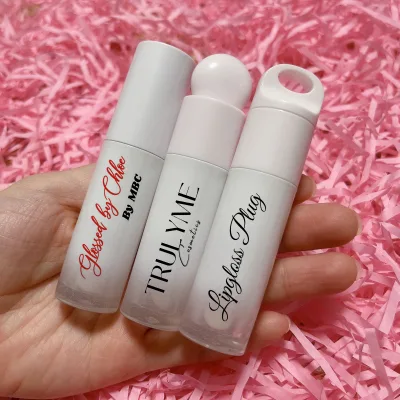
The shape of the container is predominantly round, a standard that offers ergonomic handling and efficient stacking. However, customization is a key feature available in this sector. Buyers seeking unique silhouettes should confirm if the round standard can be adapted or if alternative shapes are offered. The surface treatment options are extensive, allowing for significant brand differentiation. Available printing techniques include silk screen printing, gold stamping, and spraying. These methods allow for the application of custom logos and branding directly onto the tube, ensuring high visibility on retail shelves. The color options are equally flexible, ranging from standard multi-colored finishes to fully customized color requests, enabling brands to match their specific palette.
Compliance, Certification, and Regulatory Standards
Navigating the regulatory landscape is essential for any B2B procurement of cosmetic packaging. The safety and quality of the packaging material directly impact the final product's compliance with international health and safety standards. When evaluating potential suppliers, the presence of recognized certifications is a primary indicator of a manufacturer's commitment to quality management systems. Data from the market highlights the prevalence of ISO certifications, specifically ISO and ISO 9001. These standards suggest that the supplier adheres to established protocols for quality control and process consistency.
Buyers must verify that the specific batch of lip gloss tubes intended for their use meets the regulatory requirements of their target market. While general certifications like ISO 9001 indicate a robust management system, they do not automatically guarantee that the specific plastic resin used is food-grade or compliant with cosmetic regulations in every jurisdiction. It is imperative to request documentation confirming that the AS and ABS materials used are free from harmful substances such as BPA, phthalates, or heavy metals, particularly since these containers will hold products applied directly to the lips.
The "recyclable" attribute observed in several product listings is a significant selling point for brands aiming to meet sustainability goals. However, this claim requires verification. Buyers should ask for specific details regarding the recyclability of the plastic type (e.g., PP, PE, or PET) and whether the components, such as the cap and the tube, are designed to be separated for recycling. The distinction between "recyclable" in theory and "recyclable" in practice within the buyer's local waste management infrastructure is crucial. Additionally, while some suppliers list certifications, the absence of a specific certification in a product listing does not necessarily imply non-compliance, but it does necessitate a deeper inquiry into the supplier's internal quality assurance processes.
Cost Drivers and Pricing Dynamics
The pricing structure for custom logo lip gloss tubes is influenced by a complex interplay of factors, including material costs, customization complexity, and order volume. The observed price range in the market spans from $0.01 to $0.87 per unit, a wide variance that reflects differences in material quality, production technology, and order scale. The lower end of this spectrum typically corresponds to standard, off-the-shelf models with minimal customization, while the higher end often involves complex printing techniques like gold stamping, custom color matching, or specialized molds.
Minimum Order Quantity (MOQ) is a significant driver of unit cost. The market data reveals an MOQ range from as low as 1 unit to as high as 20,000 units. For new brands or those testing a new product line, suppliers offering low MOQs or free samples in stock are invaluable for prototyping and market validation. However, to achieve the most competitive unit pricing, buyers generally need to negotiate larger volume orders. The relationship between volume and price is not always linear; bulk purchasing often unlocks tiered pricing structures that significantly reduce the cost per unit.
Customization adds a layer of cost that must be factored into the total budget. While the base tube might be inexpensive, the application of a custom logo via silk screen printing or gold stamping incurs additional setup fees and per-unit costs. The complexity of the design, the number of colors used in the printing, and the specific surface treatment required will all influence the final price. Furthermore, the choice of packaging for shipping, such as layer packing in cartons versus palletized shipping, can impact logistics costs. Buyers should request a detailed breakdown of costs, separating the unit price from tooling, setup, and printing fees, to ensure transparency and accurate budget forecasting.
Typical Applications and Market Versatility
Custom logo lip gloss tubes serve a broad spectrum of applications within the beauty and personal care industry. The primary industrial use identified is for lip gloss, lipstick, and lip balm, catering to a female demographic. However, the versatility of these containers extends beyond these specific categories. Some listings indicate usage for cosmetics and skin care products, suggesting that the design and material compatibility allow for a wider range of formulations. The distinction between liquid and paste forms is important; while lip gloss is typically liquid, lip balm and certain skin treatments may be in a paste form, requiring specific tube geometries to ensure proper dispensing and user experience.
The "Made in China" origin, with specific mentions of Ningbo as a production hub, highlights the region's dominance in the global supply of cosmetic packaging. This concentration of manufacturing capability offers buyers access to a vast ecosystem of suppliers, materials, and logistics networks. The ability to source these products from a centralized location with established export infrastructure can streamline the procurement process. The gender-specific targeting, primarily for women, aligns with current market trends, but the neutral nature of the packaging design often allows for broader appeal or unisex branding strategies.
In addition to cosmetics, some product specifications mention usage in medicine, indicating that the tubes can be repurposed for small-dose pharmaceutical applications or specialized topical treatments. This dual-use potential adds value for buyers looking to diversify their product lines or source packaging for multiple business verticals. The "recyclable" feature also appeals to the growing segment of eco-conscious consumers, making these tubes suitable for brands that prioritize sustainability in their marketing and product development strategies.
Supplier Evaluation and Quality Control Protocols
Selecting the right supplier requires a thorough evaluation of their capabilities, reliability, and quality control measures. The availability of free samples in stock is a critical advantage for buyers, allowing for hands-on inspection of the product's finish, print quality, and structural integrity before committing to a large order. When evaluating suppliers, buyers should look for evidence of consistent production standards, such as the adherence to ISO 9001, which suggests a systematic approach to quality management.
Quality control should be a continuous process, not just a final inspection. Buyers must inquire about the supplier's internal QC protocols, including how they handle surface treatments like silk screen printing and gold stamping to ensure color consistency and adhesion. The "Customized" nature of the surface treatment implies that the supplier must have the flexibility to adjust their processes to meet specific client requirements. It is also essential to verify the packing standards, as products are often packed in cartons or on pallets to prevent damage during transit. The specific packing method, such as "Layer Packed in Carton," should be confirmed to ensure that the tubes arrive in perfect condition.
Supplier reliability is further assessed by their ability to handle customization requests. The "Customization Available" attribute indicates that suppliers are willing to adapt their products, but the extent of this flexibility varies. Buyers should discuss the lead times for custom orders, the minimum order quantities for custom designs, and the process for approving proofs or samples. A supplier that offers a seamless transition from sample to mass production, with clear communication channels and a track record of meeting deadlines, is preferable to one that requires extensive back-and-forth for basic adjustments.
Long-Term Procurement and Strategic Considerations
Sourcing custom logo lip gloss tubes is not merely a transactional activity but a strategic decision that impacts brand identity and supply chain resilience. Long-term procurement considerations include the stability of the supply chain, the scalability of production, and the potential for future customization. As a brand grows, the ability to scale production from small batches to large volumes without compromising quality or increasing costs significantly is crucial. Buyers should assess whether their supplier can accommodate growth and whether the current MOQs align with their projected demand.
Sustainability is increasingly becoming a long-term imperative. The "recyclable" attribute of the tubes is a starting point, but buyers should consider the lifecycle of the packaging. This includes the end-of-life disposal options and the environmental impact of the manufacturing process. Establishing a long-term relationship with a supplier who shares a commitment to sustainability can lead to collaborative improvements in packaging design and material sourcing.
Finally, the customization aspect offers a unique opportunity for brand differentiation. As market trends evolve, the ability to quickly adapt packaging designs, colors, and printing techniques will be a competitive advantage. Buyers should maintain open communication with their suppliers to stay informed about new materials, printing technologies, and design trends. By treating the supplier as a strategic partner rather than just a vendor, brands can ensure a steady supply of high-quality, custom-branded lip gloss tubes that meet their evolving needs and maintain their position in the market.
FAQs
What materials are used for custom logo lip gloss tubes?
The tubes are primarily made of plastic, with ABS used for caps and AS for the bottle body. These materials ensure durability and clarity while resisting chemical interactions with lip gloss formulations.
Which certifications do suppliers typically hold for these containers?
Suppliers often hold ISO and ISO 9001 certifications to demonstrate adherence to quality management systems. Buyers should verify specific batch compliance with cosmetic regulations beyond general management standards.
Can I request custom colors and logos on these tubes?
Yes, customization is available for both custom colors and logo printing via silk screen or gold stamp. Buyers must confirm specific surface treatment options and minimum order quantities for custom designs.
What capacity options are available for lip gloss packaging?
Standard capacities include 4.5ml, 5ml, 8ml, and 9g options depending on the specific model. The physical dimensions vary, such as 22.5 by 84.3 mm or 19.2 by 107 mm, to suit different formulations.
How are these tubes typically packed for shipping?
Products are usually packed in cartons or on pallets, with some models using layer packing within cartons. This ensures protection during transit and aligns with standard logistics requirements for export.
Are free samples available for testing before bulk orders?
Free samples are available in stock for many models to allow for quality inspection. This enables buyers to verify print quality and structural integrity before committing to larger production runs.
What is the origin location for these cosmetic containers?
The products originate from China, with specific manufacturing hubs noted in Ningbo. This region offers established export infrastructure and a concentrated ecosystem for cosmetic packaging production.